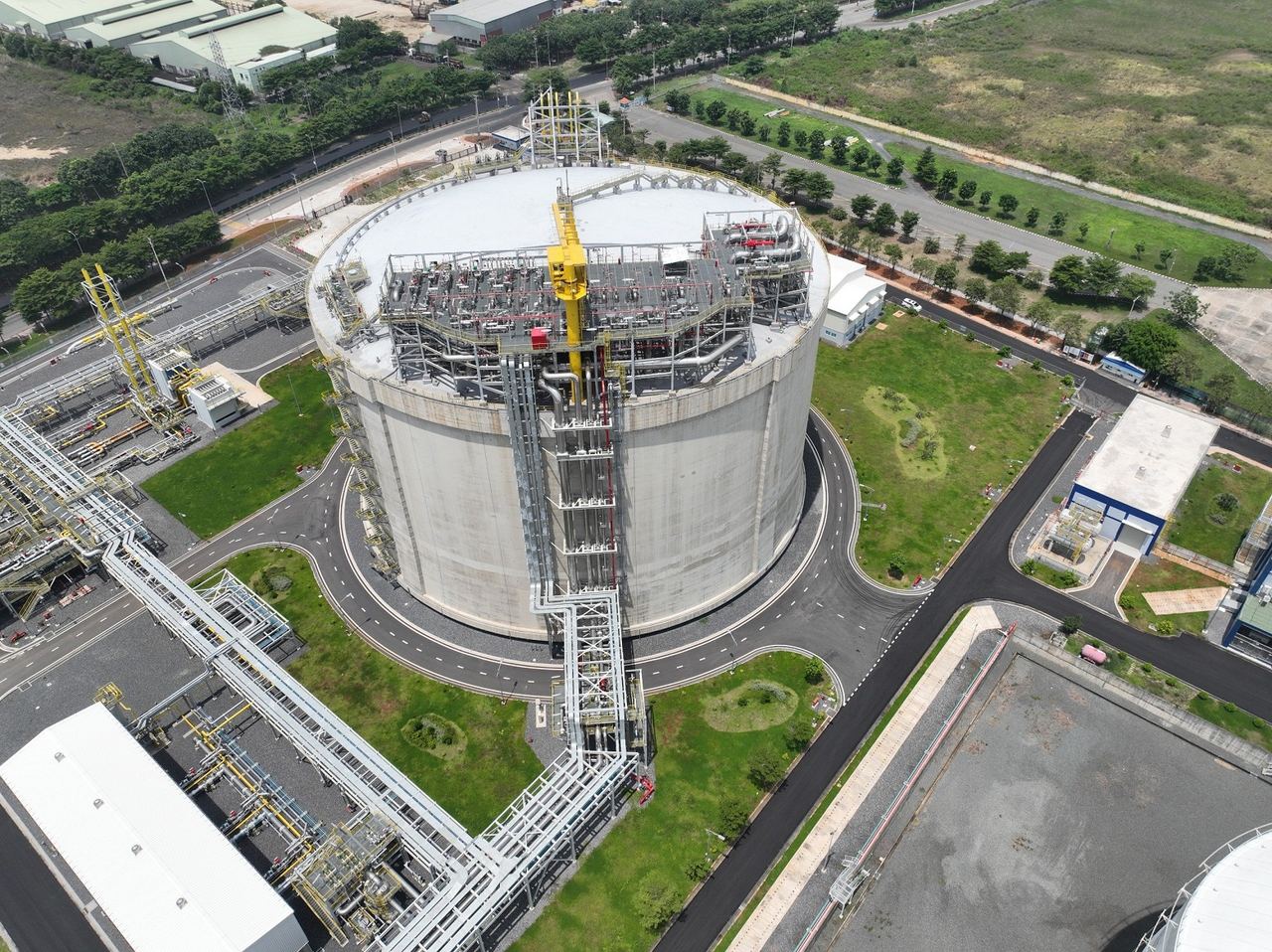
The historic arrival of the first LNG vessel at Thi Vai LNG Terminal was marked as a game-changer, adding vibrancy to the Vietnam’s monotonous energy market.
However, bringing this energy source into the country poses numerous challenges, requiring the state and businesses to be proactive in implementing effective solutions in the face of fiercely international competitive market.
Potential and Opportunities
Vietnam’s Party and State are keenly focused on economic development in line with the commitments they made at COP26, to achieving net-zero emissions by 2050. With its more environmentally friendly feature, LNG has been identified as an optimal solution at this moment, and is expected to help reduce pressure on domestic sources, as well as mitigate energy security risks.
Vietnam's Power Development Plan VIII has determined gas-fired power from LNG will account for over 14.9% of the total national electricity generation capacity by 2030. This will make Vietnam a potential LNG importer, exerting a strong influence on the global market.
Furthermore, with its strategic location at the heart of Southeast Asia with many large terminals capable of receiving LNG carriers, Vietnam can become a hub in the region, attracting international investors and businesses. PV GAS' first and largest LNG terminal in Vietnam as of present, namely Thi Vai LNG Terminal, is to be inaugurated and operational soon, expected to become a significant link in PV GAS’ LNG chain.
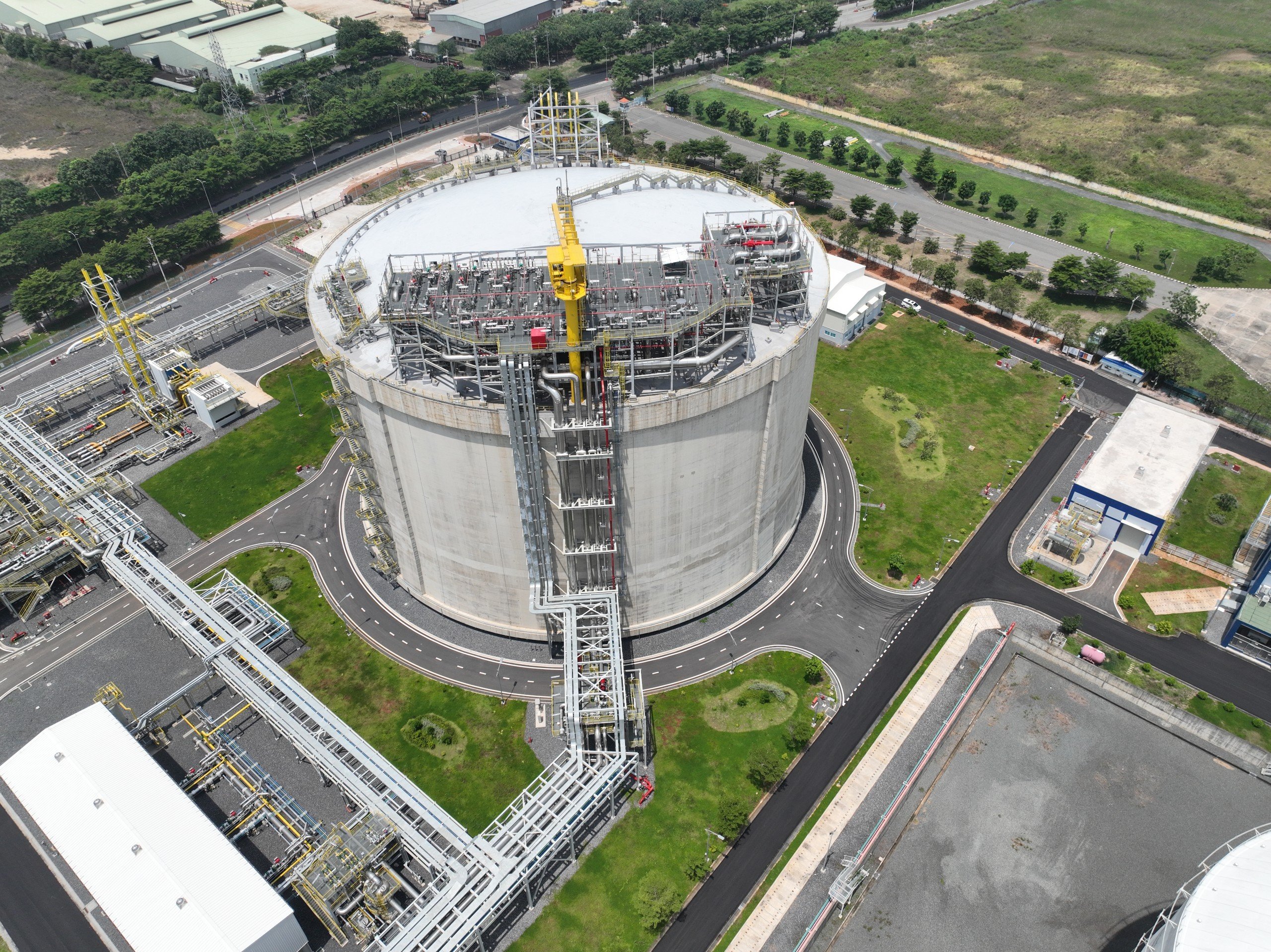 Vietnam’s first and largest LNG terminal is going to be put into operation
Moreover, there will be diverse applications of LNG in many sectors such as electricity, transportation, industries, and households, making it an attractive energy source in Vietnam as well as internationally.
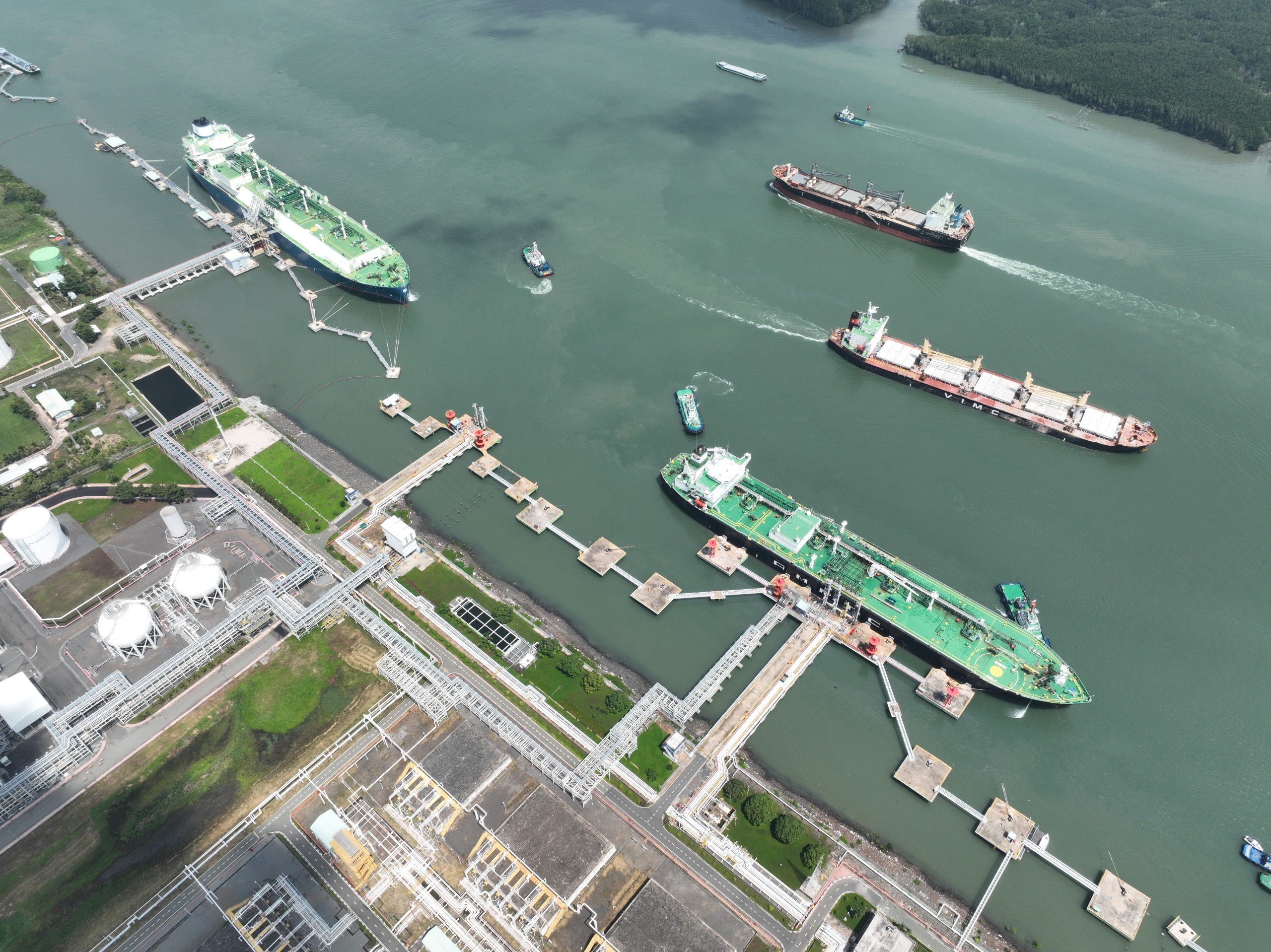 Cai Mep Oil Terminal is capable of receiving LNG carriers of up to 100,000 tons.