LNG - Key Player in New Energy Trend
LNG was experimented in the 19th century by Michael Faraday, a British chemist and physicist, with various gases, including natural gas.
LNG, primarily consisting of CH4 - Methane (94.3%), is colorless, odorless, non-toxic, and is kept at -162ºC. When in liquid form, it occupies only 1/600 of the volume in its gaseous state, at standard conditions (15°C, 1 atm). These features make it more convenient for storage and transportation to distant consumers, with a 2.4 times higher capacity than Compressed Natural Gas (CNG). Flaring LNG can create a high-temperature flame (about 1,880°C), leaving no residue after it evaporates. When burned, LNG produces less than 40% of CO2 emissions compared to coal and less than 30% compared to oil, making it the cleanest fuel among traditional ones.
In the 1870s, Karl Von Linde, a German engineer, built the first centrifugal air compressor in Munich. Construction of the initial prototype liquefied natural gas (LNG) facility began in West Virginia in 1912, starting operating in 1917.
In 1940, the first experimental LNG station was established in Cornwell, USA. Later, an industrial facility was built in Ohio to meet the peak demand for natural gas. The liquefaction capacity was 200 m3/day, and the regasification capacity was 115 m3/h to pump gas back into the network.
France was one of the first countries to import LNG. In the late 1950s, Gaz de France, the multinational electricity company of France, established maritime transportation routes for LNG. In 1963, three liquefaction units near Oran were put into operation, allowing the transportation of natural gas to the UK and France (Fos-sur-Mer Terminal). France's early involvement in LNG importation marked its entry into the global LNG market.
Recent advancements in liquefaction and shipbuilding technologies have facilitated the development of the LNG sector. Transporting gas over long distances has become feasible and economically viable.
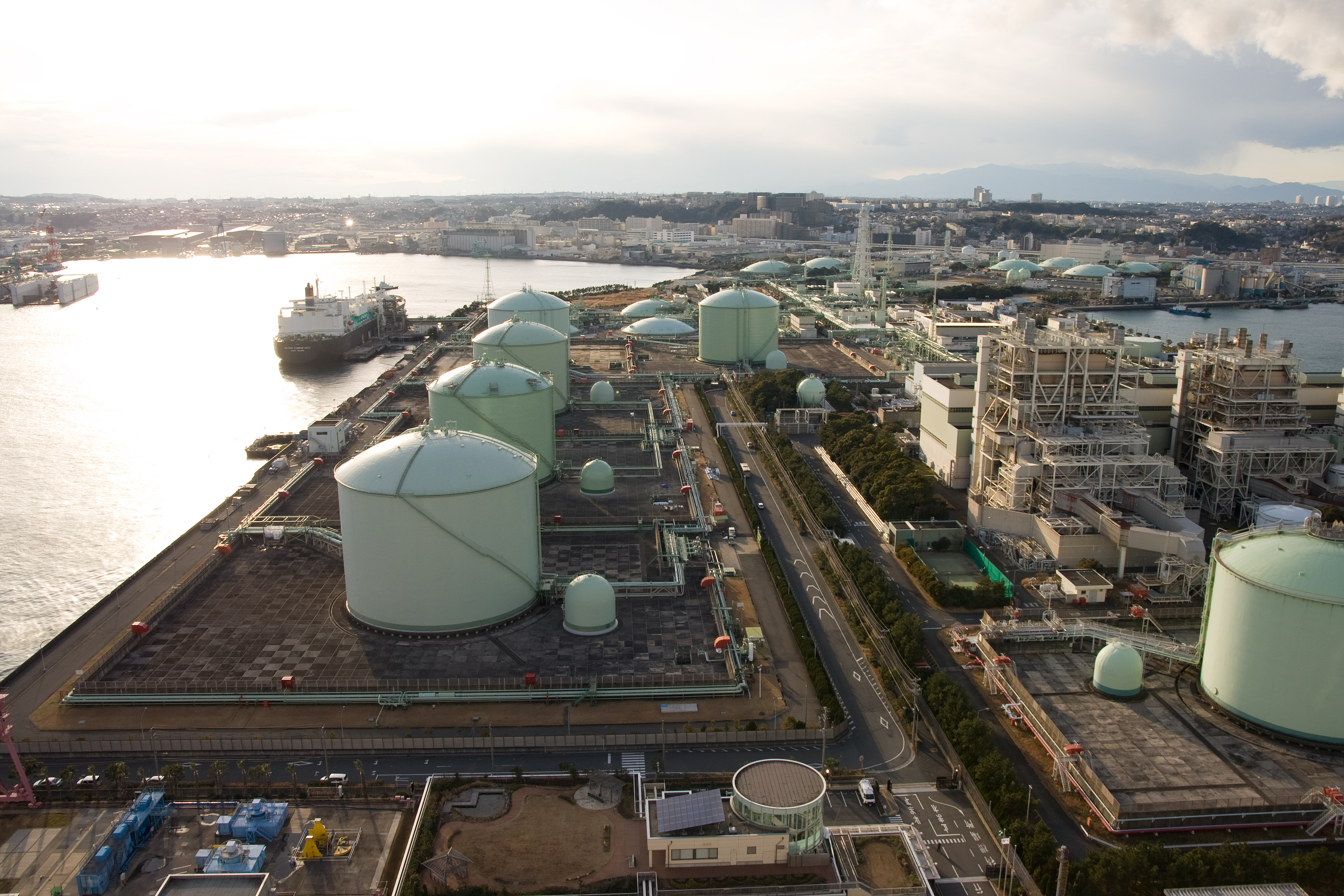 Countries worldwide are heading towards using LNG as a significant alternative energy source
The USA is a typical example of utilizing natural gas for electricity production. According to EIA, in 2022, 40%, 20%, 21.5% and 18% of electricity in the U.S. came from respectively natural gas, coal, renewables, and nuclear energy. Many other countries have also shifted to natural gas: China 10%, Japan 21.3%, and South Korea 18% of their total energy consumption.
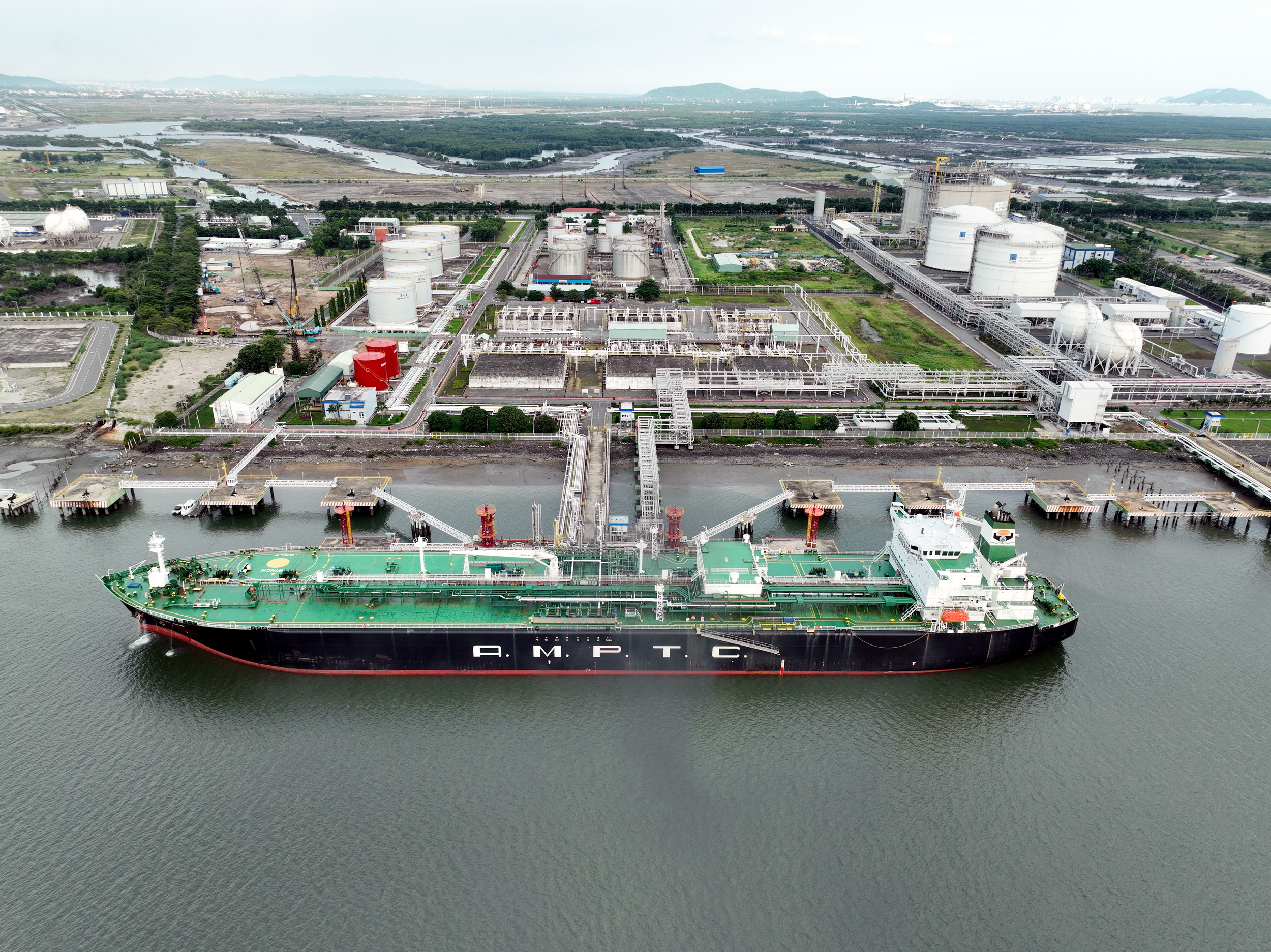 Vietnam has begun to integrate into the global energy trend