In his opening speech, Dr. Mai Duy Thien, Chairman of Vietnam Clean Energy Association, Editor-in-Chief of Vietnam Clean Energy Magazine, stated that Prime Minister's Decision No. 500/QD-TTg dated May 15, 2023, approving the National Power Development Plan for the period 2021-2030, with a vision to 2050 (PDP VIII), clearly outlined one of the directions for the national power development: Effectively utilize and use domestic and import fossil fuel; Gradually reduce the percentage of coal-fired electricity, prioritize domestic development of gas-fired electricity, and develop electricity sources from imported LNG at appropriate scale. The power source composition is targeted to include: by 2030, 14,930 MW (9.9%) from domestic gas, and 22,400 MW (14.9%) from LNG; by 2050, 7.030 MW of domestic gas-fired electricity transitioned to hydrogen (1,2 - 1,4%), and 4.500 - 9.000 MW of LNG and hydrogen co-firing thermal electricity (0,8 - 1,8%).
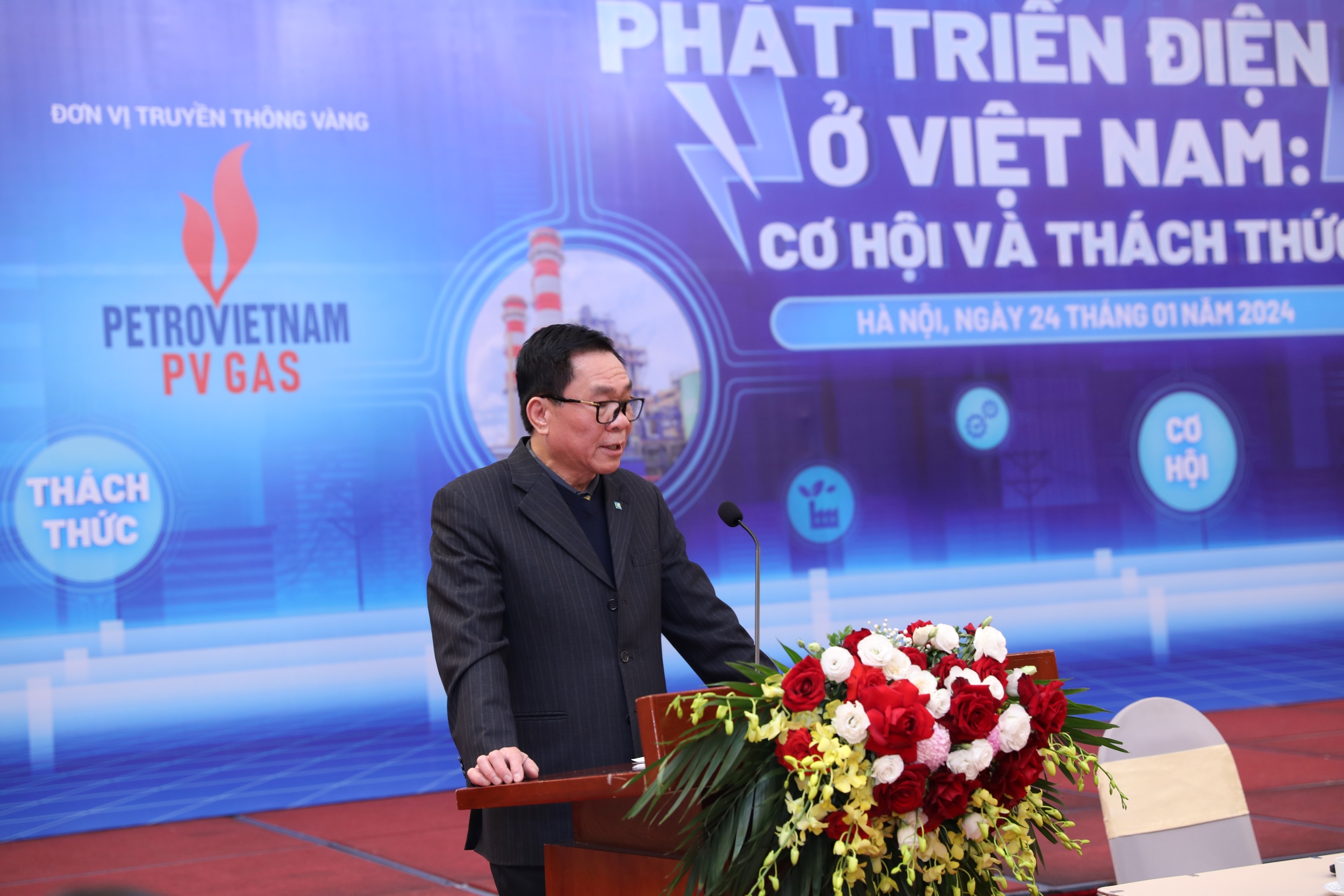 Dr. Mai Duy Thien
The development of LNG power generation is expected to help improve efficiency in electricity production, reduce the country’s dependence on coal-fired power, and thereby lower emissions, as well as align with the country's sustainable development goals, as LNG is a low-emission energy form, especially as Vietnam has committed internationally to reducing pollution following the COP21 conference.
Dr. Mai Duy Thien also acknowledged that the transition to green and clean energy, including the development of LNG, was not an easy task and emphasized that the seminar provided an opportunity to discuss trends in clean energy development, and propose solutions to overcome current challenges. These included import pricing policies for LNG, LNG power electricity prices, investment mechanisms for LNG, and the infrastructure of LNG power plants.
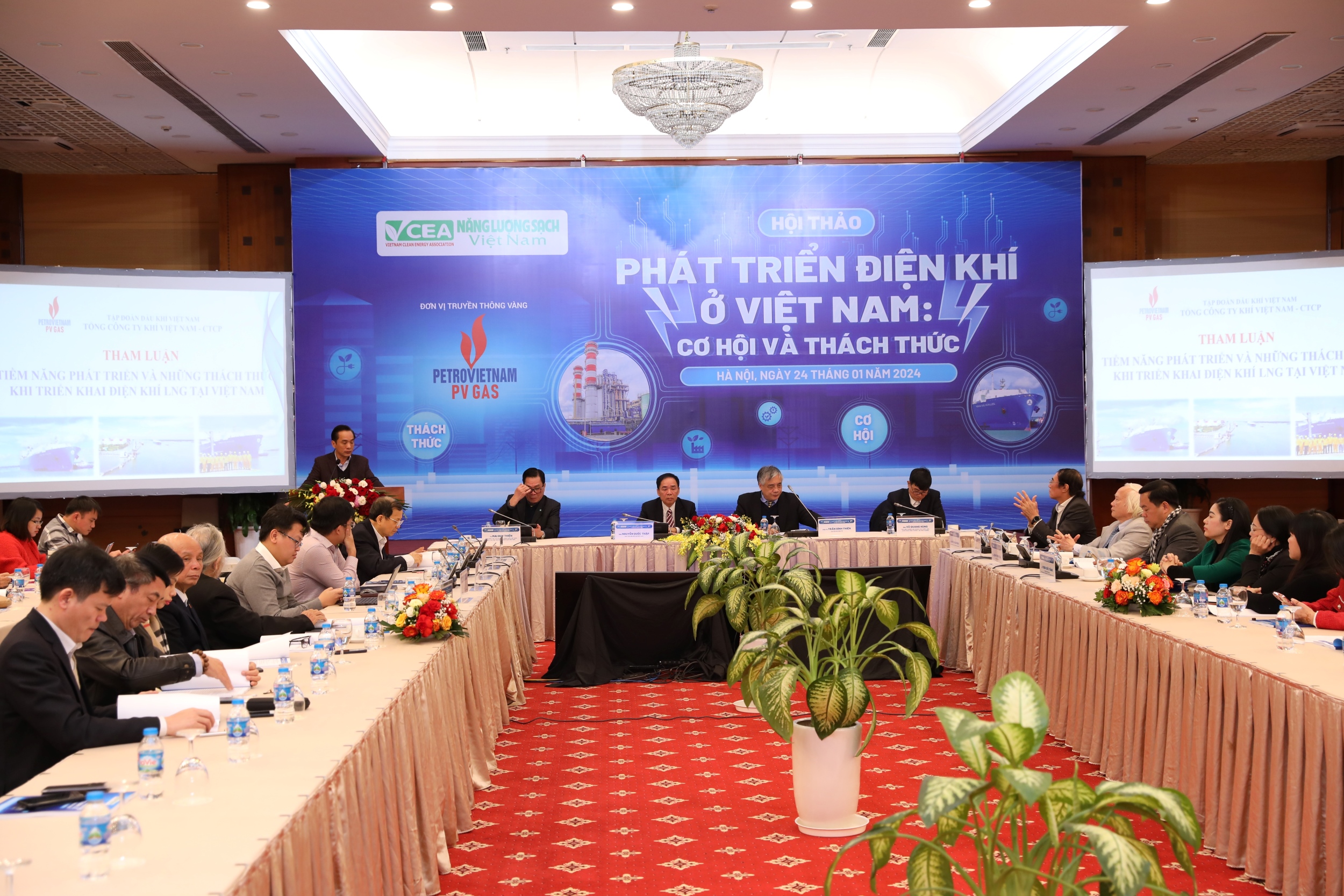 Development of LNG Power Generation in Vietnam: Opportunities and Challenges
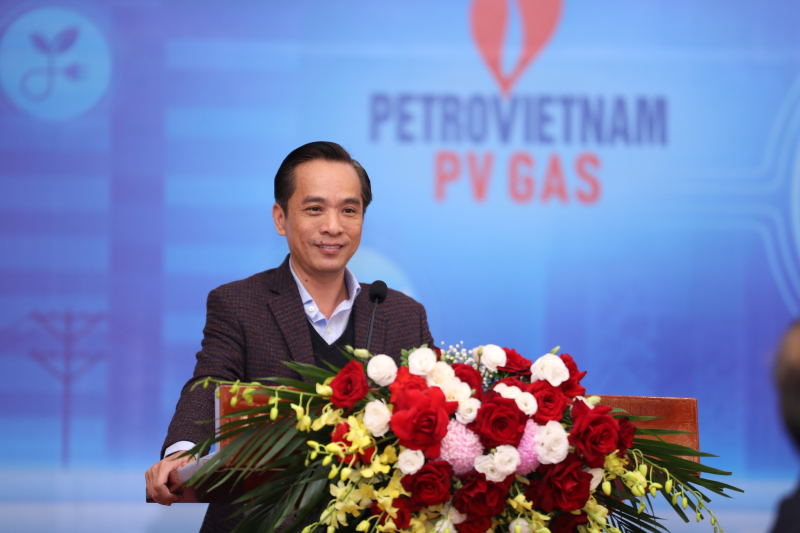
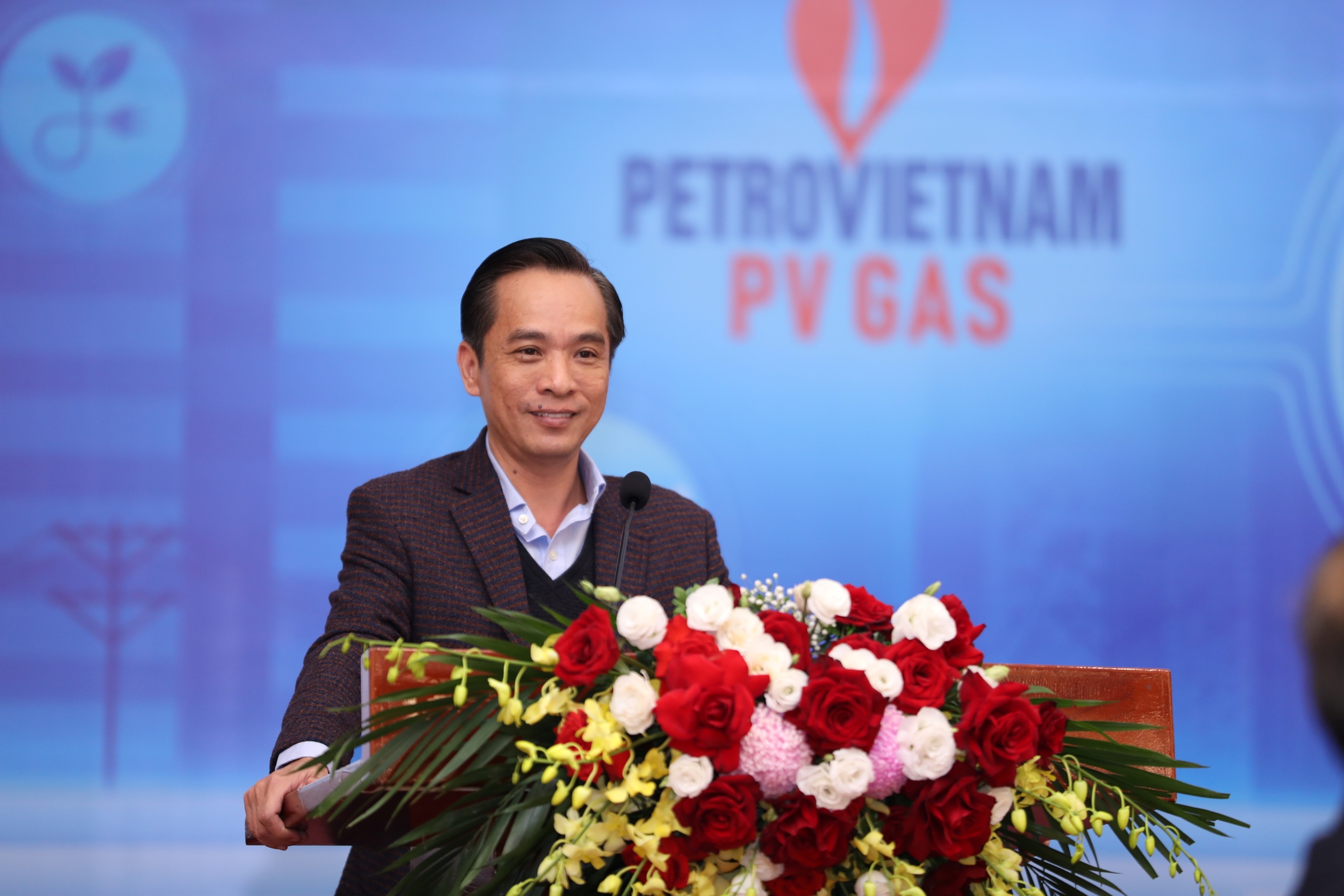 Mr. Huynh Quang Hai, PV GAS’ Vice President