CO2 emmission: red alert
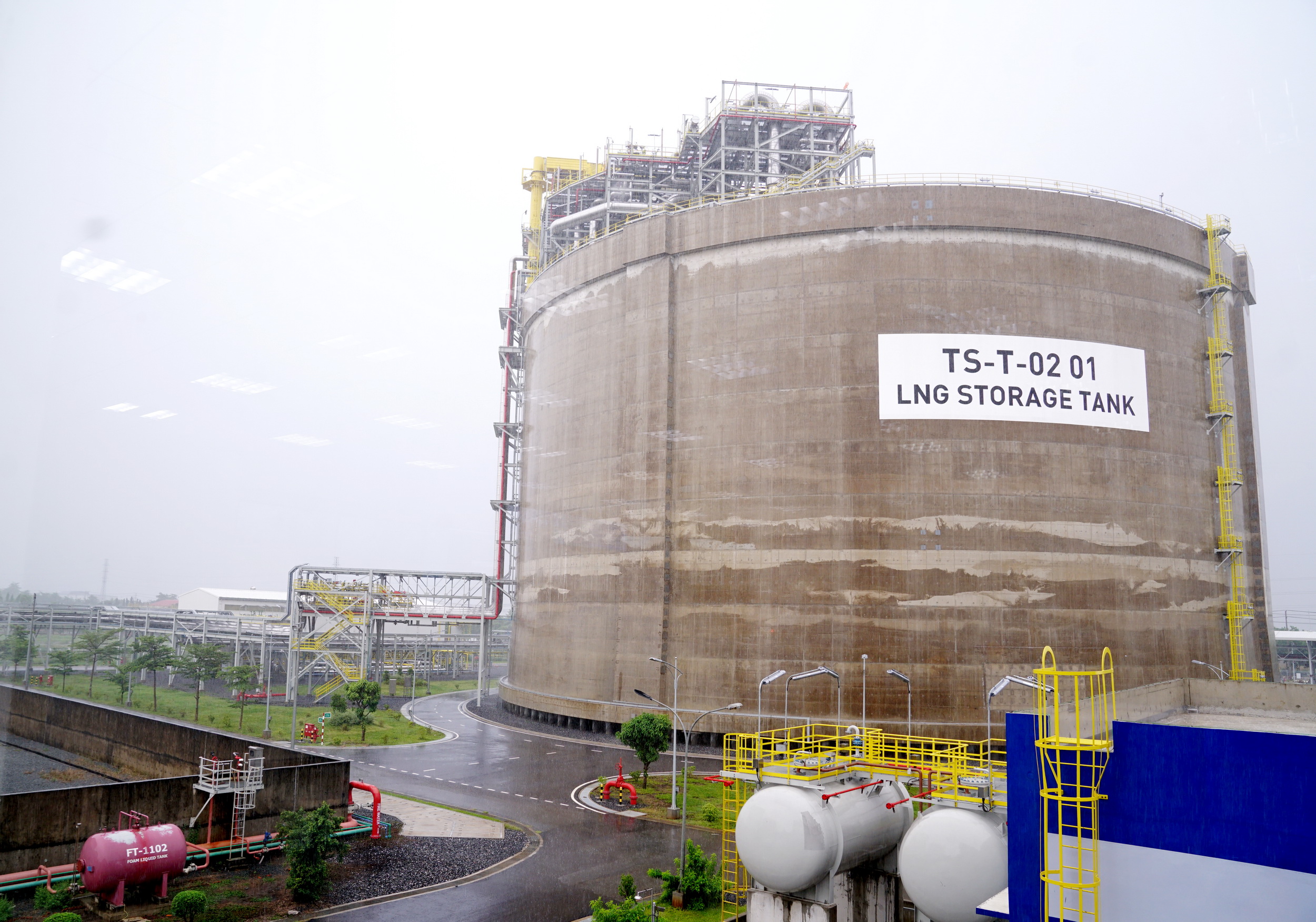
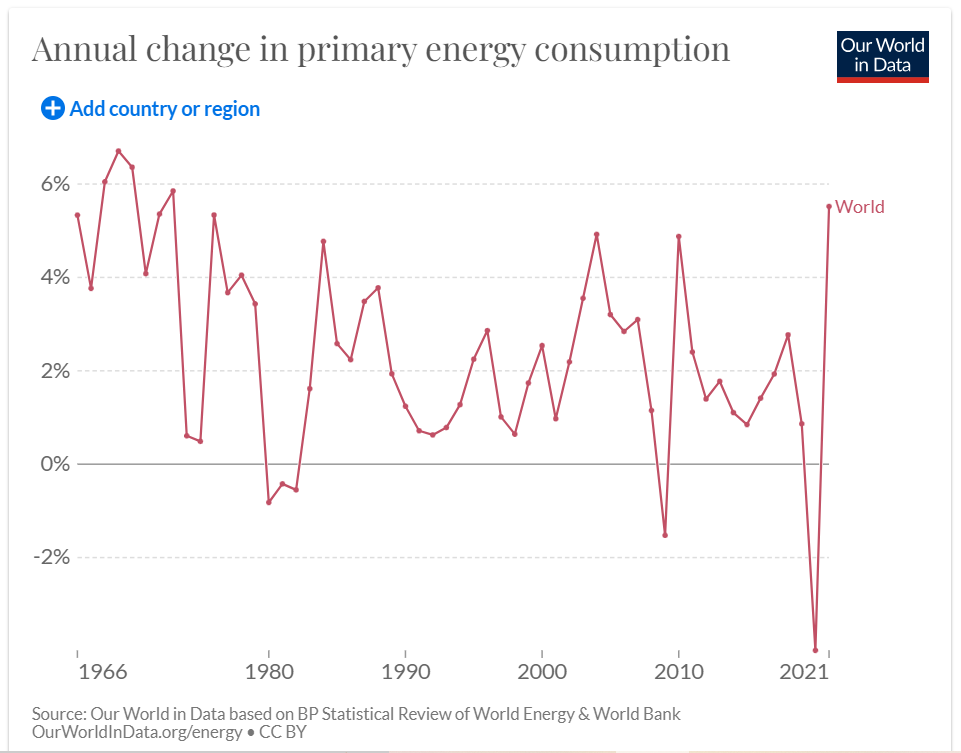
The expanding population (over 8 billion with 140 newborns per minute) and economic development have led to a higher-than-ever demand for energy. Global energy consumption is forecasted to increase by 1.3% in 2023, higher than the 0.9% estimation for 2022, causing a surge in carbon dioxide (CO2) to alarming levels, about 36.8 billion tons in 2022. It’s a domino effect: severe climate changes and extreme weather disasters (droughts/heat waves/floods/rising sea levels) with uncontrollable frequencies, threatening people’s life!
Natural Gas
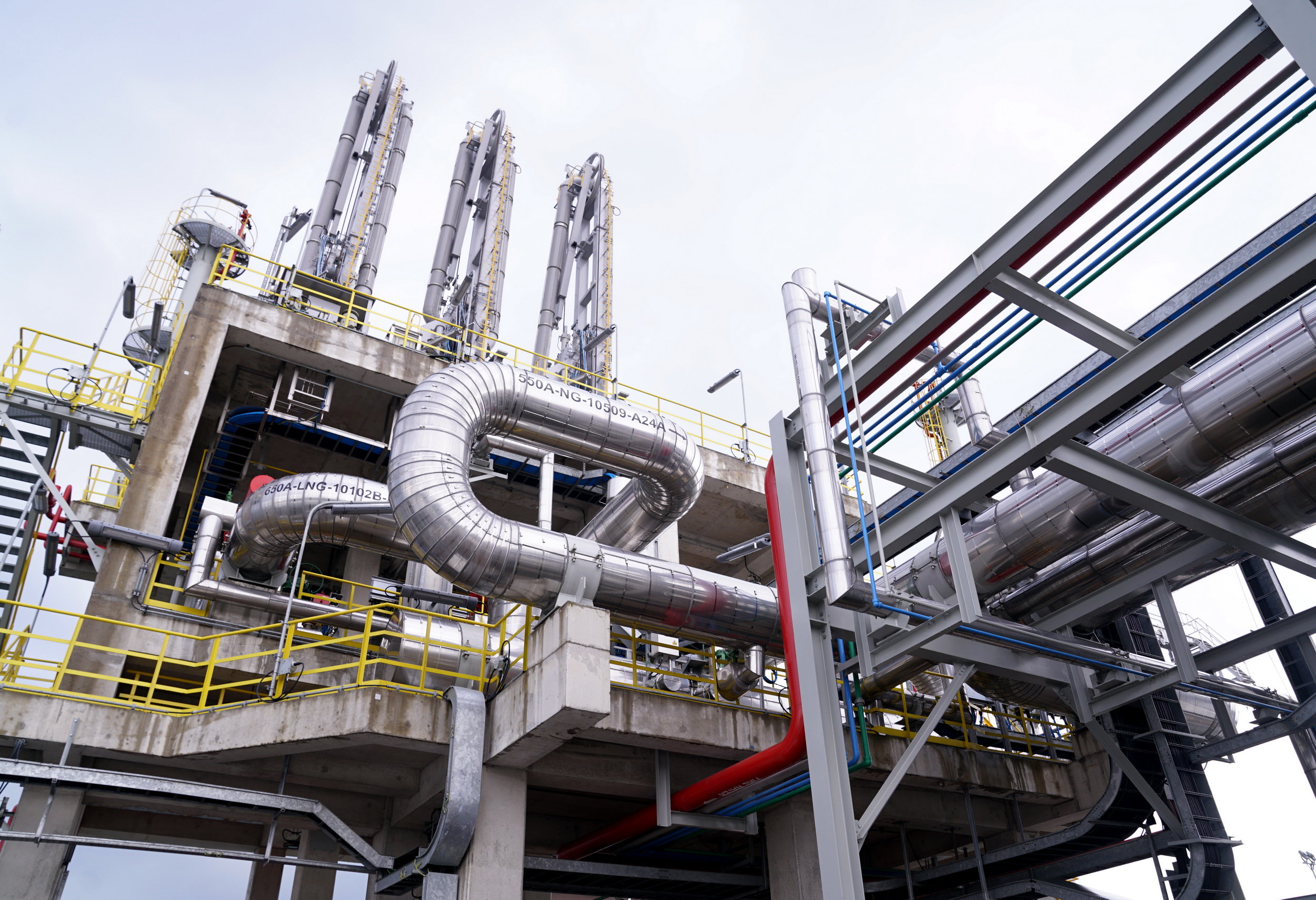
World leaders, scientists and coporations from every sector have mutually agreed that natural gas (NG) and renewable energy sources can help tackle the underdiscussed problem when it comes to saving the environment. Nevertheless, the latter has not been an “optimal and sustainable” solution for its technical and economical bottlenecks: low availability, seasonal, periodical and geological dependence,.... Therefore, natural gas is more of a capable candidate for reducing carbon emissions. Compared to coal, NG only produces 1/2 the amount of CO2 and 1/10 of other air pollutants (Nox, Sox, dust,...). Gas-fired plants are cheaper and faster to build than coal-fired ones, and more flexible – they can more easily start up or stand down. All this makes them ideal partners for intermittent wind and solar energy.
The USA is a typical example of using natural gas for electricity production. According to the US Energy Information Administration (EIA), in 2022, electricity production in the US from gas-fueled plants reached 40%, higher than that of the coal-fired ones, which was only 20% and the rest came from renewable energy (21.5%) and nuclear (18%). Many other countries are also speeding up the transition to lower emmission natural gas: China, Japan and Korea with respectively 10%, 21.3% and 18% of total energy consumption